Recycling and Sustainability at Carpetcleaning Docklands
 Carpetcleaning Docklands is committed to delivering a cleaner result for homes and businesses while keeping environmental impact as low as possible. Our approach to recycling and sustainability focuses on practical actions at every stage of the service, from the products we select to the way waste is sorted, collected, and moved. As a local carpet cleaning team, we understand that responsible disposal matters just as much as a spotless finish.
We have set a clear recycling percentage target of 85% for all recoverable operational waste, including packaging, cardboard, plastic containers, and selected cleaning-related materials. This target helps shape day-to-day decisions across Carpetcleaning Docklands, encouraging better segregation of waste and more careful use of resources. Where possible, we prioritise refill systems, concentrated detergents, and reusable equipment components to reduce unnecessary waste before it is created.
In the Docklands area, sustainability also means working with the local waste infrastructure in a sensible way. We make use of nearby local transfer stations and approved recycling points so that separated materials can be directed into the right recovery streams. This includes mixed dry recyclables where borough rules allow, as well as cleaner loads of cardboard, plastics, and metal packaging. Different boroughs have different approaches to waste separation, so our team stays aware of local collection rules and segregation expectations to avoid contamination and improve recycling outcomes.
 Our carpet cleaning operations are shaped around the idea that small adjustments can create meaningful environmental gains. We use low-carbon vans on local routes to reduce emissions during travel between jobs, transfer points, and supply runs. These vehicles are selected for efficiency, with route planning designed to shorten journeys and avoid unnecessary idling. In a dense urban area such as Docklands, cleaner transport is one of the most effective ways to lower the carbon footprint of everyday service work.
We also keep a close eye on the materials that come back from jobs, especially where packaging, wipes, and consumables are involved. Recyclable outer packaging is separated where local systems permit, and any non-recoverable waste is reduced by buying in bulk and choosing products with less plastic. Our recycling Carpetcleaning Docklands process is built around the principle of sorting first, disposing second, and reusing wherever safe and practical.
 A further part of our sustainability commitment is collaboration with charities and community reuse groups. Items that are no longer needed but still have life in them, such as lightly used tools, textiles, and office supplies, may be donated to local charitable partners rather than discarded. This extends the value of goods, supports community projects, and keeps reusable materials out of the waste stream. In this way, Docklands carpet cleaning can support both environmental and social outcomes at the same time.
Responsible Waste Sorting and Borough Recycling Practices
Docklands sits within an area where waste management can be especially detailed, with borough-level rules shaping how materials are separated. Some councils emphasise clear sorting for paper, card, food waste, and mixed containers, while others provide additional guidance for plastics, glass, and commercial waste streams. Our team takes these differences seriously, adapting our handling so that recyclable waste is prepared in the most suitable way for the relevant local system. This helps Carpetcleaning Docklands contribute to higher-quality recycling rather than simply sending mixed waste onward.
We also support environmentally aware practices inside the property itself. When cleaning is carried out in shared buildings, managed apartments, or commercial spaces, we encourage the sensible separation of waste generated during the service. This can include keeping recyclable packaging away from general rubbish and ensuring that any disposable items are placed correctly according to the building’s waste rules. Such small actions support the wider borough recycling effort and align with the area’s growing focus on circular use of resources.
Partnerships that Extend Reuse
Our charity partnerships help us make sure items in usable condition do not go to waste. We aim to pass on suitable materials to organisations that can repair, redistribute, or repurpose them for local benefit. This may include household-related goods, office items, or cleaning equipment that still has a useful lifespan. By working with charities, Carpetcleaning Docklands sustainability is not limited to reducing waste; it also becomes a way of supporting community wellbeing.
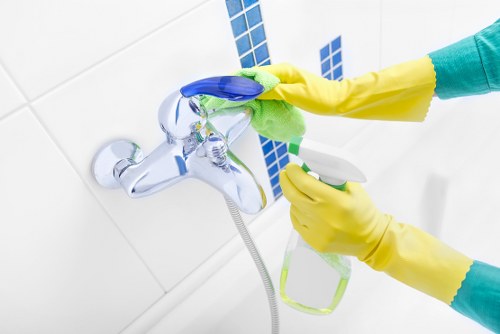 Sustainability is also built into our purchasing decisions. We look for products with reduced packaging, longer usable life, and lower-impact ingredients where performance and safety standards allow. This includes choosing concentrated solutions that cut transport weight and storage needs, as well as reusable bottles and durable accessories that do not need frequent replacement. Every choice contributes to our eco-conscious carpet cleaning Docklands approach.
Another important area is staff practice. We train our team to identify recyclable materials correctly, avoid cross-contamination, and keep waste separated from the moment it is created. Better sorting at source is essential, because even high-value materials can lose their recycling potential if they are mixed with food residue, liquid waste, or non-recyclable film. The result is a cleaner and more effective recycling process across our operations.
 Our goal is to show that high-quality carpet care and environmental responsibility can work together. Whether the task involves residential cleaning, office maintenance, or specialist stain removal, Carpetcleaning Docklands aims to keep resource use efficient, carbon output lower, and recyclable material flowing toward the right recovery routes. With lower-emission vans, borough-aware waste separation, local transfer stations, and charity collaborations, we continue building a more sustainable service model for Docklands and the surrounding communities.