Upholstery cleaning West India Quay flats explained
Flats around West India Quay tend to work hard. Sofas get lived on, dining chairs pick up daily wear, and that "freshly cleaned" look disappears faster than most people expect. If you have been wondering what upholstery cleaning West India Quay flats explained really means in practical terms, this guide walks you through it properly: how the process works, what to watch out for in apartment living, which fabrics need extra care, and when professional cleaning is worth it.
Truth be told, upholstery cleaning is one of those jobs that sounds straightforward until you get into the details. A velvet chair, a wool blend sofa, a tight hallway, a lift that is always busy, and a drying window between work calls can all change the plan. So let's keep this useful, plain-English, and local to flat life in Docklands.
Along the way, you will also see where upholstery cleaning fits with other services like sofa cleaning, deep cleaning, and stain removal, because in a flat, these jobs often overlap more than people think.
Contents
- Why Upholstery cleaning West India Quay flats explained matters
- How Upholstery cleaning West India Quay flats explained works
- Key benefits and practical advantages
- Who this is for and when it makes sense
- Step-by-step guidance
- Expert tips for better results
- Common mistakes to avoid
- Tools, resources and recommendations
- Law, compliance, standards, or best practice
- Options, methods, or comparison table
- Case study or real-world example
- Practical checklist
- Conclusion
- Frequently asked questions
Why Upholstery cleaning West India Quay flats explained Matters
In West India Quay flats, upholstery is usually doing more than one job. A sofa might be your work-from-home seat, your dinner spot, and your movie-night sofa all in the same week. Chairs in open-plan living rooms pick up cooking smells, dust from windows, and everyday body oils. Even if the fabric looks "fine", it can hold a surprising amount of grime inside the fibres.
Why does that matter? Because upholstery does not just affect how a flat looks. It affects how it smells, how comfortable it feels, and how long the fabric lasts. A light-coloured armchair that gets cleaned at sensible intervals tends to keep its colour and structure better than one that is left until stains have set in. And in compact flats, one tired-looking sofa can make the whole space feel older than it is.
There is also a practical side. If you are moving out, renting out, or preparing for guests, upholstery often gets noticed immediately. A worn cushion or an odour in the sofa can be more distracting than a clean floor. Slightly unfair, but true.
For some households, it is mainly about upkeep. For others, it is about dealing with pet hair, accidental spills, or post-renovation dust. If your flat has recently had building work, it may help to combine upholstery care with after builders cleaning so you are not polishing one surface while dust keeps settling from another.
Expert summary: upholstery cleaning is not just cosmetic. In apartment settings, it is part hygiene, part fabric care, and part making your flat feel genuinely looked after.
How Upholstery cleaning West India Quay flats explained Works
The exact method depends on the fabric, the furniture, and the type of soil involved. But the process usually follows a sensible sequence: inspect, test, clean, extract, and dry. That sounds neat on paper; in a real flat, it also means moving cushions, checking access, and thinking about how long the item will need before anyone can sit on it again.
1. Inspection and fabric identification
The cleaner should first look at the upholstery type. Is it cotton, synthetic, velvet, linen, wool blend, or something mixed? Is there a care label? Some fabrics can handle more moisture than others. Others can't. That first step decides whether hot water extraction, low-moisture cleaning, dry cleaning, or a specialised spot treatment is the safer route.
If you are doing this yourself, this is the stage where you avoid the classic "spray and hope" approach. A small test area can save a lot of trouble later.
2. Pre-treatment
Before any main clean, loose debris is removed and targeted stains are treated. Common pre-treatment targets include drink marks, grease near headrests or armrests, food residues, and pet spots. Where odour is involved, the treatment may need extra attention rather than just a surface clean. For pet-related issues, a dedicated pet stain and odour removal approach is usually more suitable than a standard wipe-down.
3. Main cleaning method
For many man-made fabrics, a controlled wet clean or hot water extraction can work well. This uses a cleaning solution to loosen dirt, followed by extraction to remove the loosened soil and moisture. On delicate fabrics, a low-moisture method may be better because it reduces the chance of over-wetting, shrinkage, or texture changes.
Steam is sometimes mentioned in casual conversation, but in practice the right method is chosen carefully. Not every fabric likes heat. Not every stain likes water. This is where experience matters more than a loud machine, to be fair.
4. Rinsing and extraction
One of the most important parts is removing as much cleaning residue as possible. Leftover product can attract dirt and leave the fabric feeling sticky. Proper extraction also supports drying. In flats, where airflow may be less generous than in a house, good extraction becomes even more important.
5. Drying and finishing
Furniture should be left to dry naturally, with windows opened if appropriate and safe. Fans can help. Heating can help too, though you do not want to bake the fabric. Cushions may need rotating. A professional clean should finish with the furniture looking even, not patchy or over-wet.
Key Benefits and Practical Advantages
The obvious benefit is visual. A cleaned sofa simply looks better. But the real value is a bit broader than that.
- Better appearance: colours look clearer, fibres look less flattened, and the room feels brighter.
- Reduced odours: everyday smells from food, pets, and general living can build up in soft furnishings.
- Improved comfort: upholstery can feel fresher and less greasy to the touch.
- Longer fabric life: regular maintenance helps reduce fibre damage from embedded grit and repeated stains.
- Better impression for visitors or guests: useful for rentals, viewings, and family visits.
- Support for allergy-sensitive households: while not a cure-all, removing dust and debris may help the space feel cleaner overall.
In flats, there is a small but real bonus: once one major soft furnishing is cleaned properly, the whole room often feels less heavy. You notice the difference when you sit down in the evening. The place feels less stale. Hard to quantify, easy to feel.
If the upholstery is part of a wider reset, many residents pair it with window cleaning or house cleaning so the space feels consistently refreshed rather than half-done.
Who This Is For and When It Makes Sense
Upholstery cleaning is not only for "dirty" furniture. That is a common misunderstanding. It makes sense for a few very normal situations:
- Busy households: kids, pets, frequent visitors, or just a lot of daily use.
- Tenants preparing to move: especially if the flat's furniture is leaving a strong impression on inspections.
- Landlords and property managers: where soft furnishings need to stay presentable between occupancies.
- Airbnb or short-let hosts: turnover is fast, so stains and smells build up quickly.
- People with light-coloured or delicate fabrics: those show marks more easily.
- Anyone with old or tired-looking sofas and chairs: because even if you are not replacing them, you can still improve how they look and feel.
If your flat has regular guest traffic, upholstery cleaning often fits neatly alongside Airbnb cleaning or end of tenancy cleaning. That is usually where the timing becomes obvious: before check-in, before handover, or before photos.
It also makes sense after a spill. Not every mark needs the full treatment the same day, but waiting too long can let a stain settle into the backing or padding, and then the job becomes more complex. Nobody wants that. A coffee spill at 8 a.m. should not become a permanent memory by Friday.
Step-by-Step Guidance
If you want a simple way to think about the process, here it is.
- Check the fabric label. Look for cleaning codes, fibre type, and any warnings about water or solvents.
- Vacuum thoroughly. Use a brush attachment and pay attention to seams, buttons, and creases.
- Identify stains and odours. Make a quick note of what caused them if you can.
- Test a small hidden area. This is non-negotiable on delicate fabrics.
- Apply the right pre-treatment. Use the mildest effective product, not the strongest one you can find.
- Clean with a suitable method. Wet extraction, low-moisture cleaning, or targeted spot work depending on the fabric.
- Extract and blot. Remove as much moisture and residue as possible.
- Dry with airflow. Keep the room ventilated and avoid using the furniture until it is properly dry.
- Check the result in daylight. Artificial light can hide streaks and uneven patches.
In a flat, practical planning matters as much as cleaning skill. Clear a small working area, move fragile items out of the way, and think about where hoses, cables, or wet cushions will go. It sounds basic, but a tidy setup avoids faff later.
For fuller refreshes, some people also schedule rug cleaning or curtain cleaning at the same time, which is smart if the whole room has taken on a dull, lived-in feel.
Expert Tips for Better Results
Small choices make a noticeable difference with upholstery. Here are the ones that matter most.
- Work from the least risky method upward. Light vacuuming and spot testing first, stronger methods only if needed.
- Do not oversaturate the fabric. More water is not more clean. It often just means more drying time and more risk.
- Treat the stain shape as a clue. Edges, halos, and spread patterns can tell you what happened and how it behaved in the fibre.
- Use white cloths for blotting. Coloured cloths can transfer dye, which is the kind of mistake nobody enjoys explaining.
- Allow enough drying time. Sitting too soon can flatten the pile and reintroduce soil.
- Refresh high-contact zones more often. Armrests, seat fronts, and head cushions usually need extra attention.
One more thing: lighting changes everything. A sofa can look clean in the evening and still show tide marks the next morning. Always inspect in daylight if you can. It is a small habit, but it saves disappointment.
If you are comparing cleaning companies, useful trust signals matter too. A provider's about us page, insurance and safety information, and health and safety policy can tell you a lot about how they work. Not glamorous, but very reassuring.
Common Mistakes to Avoid
Most upholstery problems come from rushing. Honestly, that is the theme of half of domestic cleaning mistakes.
- Using the wrong product for the fabric. Some cleaners are too harsh for delicate fibres.
- Scrubbing hard at a stain. That can spread the mark or damage the pile.
- Ignoring the label. Fabric codes exist for a reason.
- Cleaning a full sofa without testing. A hidden patch test should be standard.
- Leaving too much moisture behind. This can lead to odours, long drying times, or watermarking.
- Trying to fix old stains with one heavy pass. Sometimes a layered approach is safer and more effective.
- Forgetting the cushions and back panels. The visible front is only part of the job.
There is also a common "good enough" trap. People clean the visible seat pad and leave the arms because they are not obvious in photos. Then the arms slowly darken and the sofa still looks tired. The fix is simple: clean the full contact area, not just the bit everyone sees first.
Tools, Resources and Recommendations
You do not need a warehouse full of kit, but the right tools help a lot.
- Vacuum with upholstery attachment: for dry soil and crumbs before any wet work.
- Soft brush: helpful for loosening dust from seams and textured fabric.
- Microfibre cloths: good for blotting and controlled wiping.
- Fabric-safe cleaning solution: always matched to the upholstery type.
- Spot test cloth or white towel: helps you check colour transfer.
- Fan or decent ventilation: practical for drying in a flat.
When you are deciding whether to clean yourself or bring in help, ask a few straightforward questions:
- Is the fabric delicate or expensive?
- Is the stain old, greasy, or odorous?
- Do I have enough time for drying?
- Could a mistake make the item worse?
If the answer to any of those is "probably", professional upholstery care starts to look more sensible. You can also compare service details through pricing and quotes and check payment and security information before booking. Practical, not flashy. But that is usually what you want.
Law, Compliance, Standards, or Best Practice
For upholstery cleaning in flats, the main concern is usually best practice rather than heavy regulation. Still, a few standards of care are worth respecting.
First, property access and shared-area behaviour matter in apartment buildings. Cleaners should work carefully in communal spaces, protect flooring where necessary, and keep noise and disruption reasonable. That is especially relevant in managed blocks around West India Quay.
Second, any cleaning work should be carried out with sensible attention to safety. That includes ventilation when using products, avoiding slippery floors, and keeping chemicals out of reach of children or pets. A good cleaner should also carry appropriate insurance and follow a clear internal safety process.
Third, if upholstery is part of a tenancy handover, the practical benchmark is usually whether the furniture is left in a reasonable, presentable condition for the next user, not whether it looks brand new. That distinction matters. A cleaned sofa can still show age. That is fine. The goal is freshness, hygiene, and fair wear management.
When in doubt, follow the manufacturer's care label and the cleaner's stated method. If the label says solvent-only or professional clean only, take that seriously. It is far cheaper to be careful than to replace a ruined armchair. Sometimes the boring answer is the right one.
Options, Methods, or Comparison Table
Different upholstery requires different approaches. Here is a simple comparison to help you think it through.
| Method | Best for | Advantages | Watch-outs |
|---|---|---|---|
| Vacuum and spot clean | Light dust, crumbs, small fresh marks | Quick, low risk, useful for maintenance | Won't shift deeper soil or old stains |
| Low-moisture cleaning | Delicate fabrics, flats with limited drying time | Reduced saturation, faster drying | May need careful technique and repeat treatment |
| Hot water extraction | Durable synthetic upholstery, general deep cleaning | Can remove embedded dirt well | Not suitable for every fabric; drying matters |
| Specialist stain treatment | Grease, drinks, pet marks, unknown spots | Targets specific problems | Needs correct identification and testing |
In many flats, the best option is not the strongest option. It is the safest effective option. That is a small but important difference.
Case Study or Real-World Example
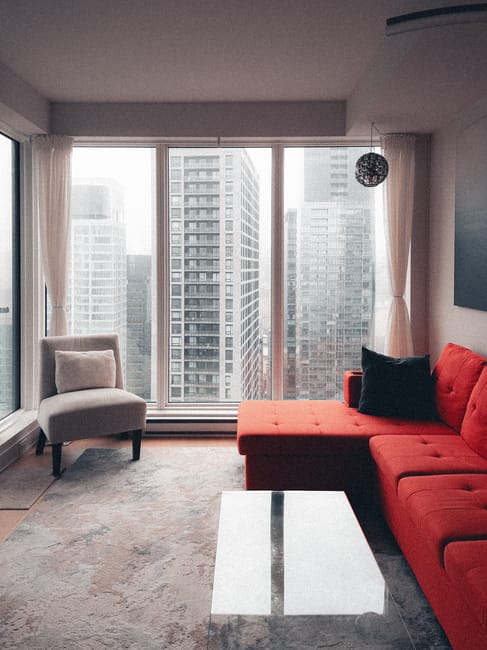
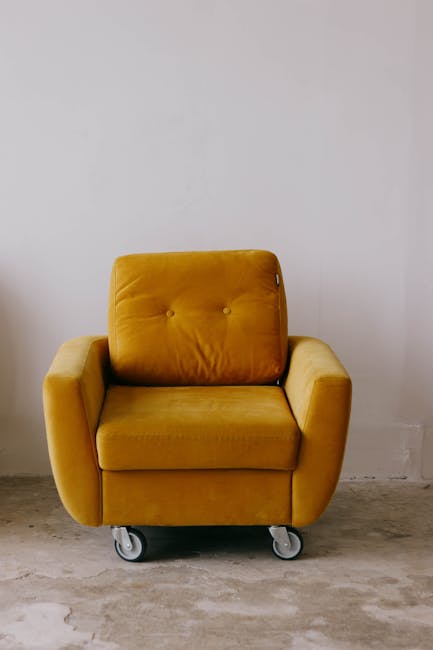
Picture a two-bedroom flat near West India Quay with an open-plan living room. The sofa is light grey, the dining chairs are upholstered in a woven fabric, and one armchair sits by the window where afternoon light shows everything. The residents work hybrid schedules, so the flat is used heavily all week. Nothing dramatic has happened, but over time the furniture has picked up coffee spots, faint cooking smells, and a darkening on the arms where hands rest most often.
They do not want a full overhaul. They just want the place to feel fresh again.
A careful clean starts with vacuuming, then a test on a hidden seam. The sofa gets targeted pre-treatment on the arms and seat front, while the armchair gets a gentler approach because its fabric is more delicate. The dining chairs need special attention near the backs, where fingerprints and daily contact have accumulated. After cleaning and extraction, the room is left to ventilate for several hours. Later that day, the flat feels lighter. Not brand new. Just properly looked after.
That is usually the realistic outcome. A good upholstery clean should not look theatrical. It should just make the room feel right again. You notice it when you sit down with a cup of tea and think, yes, that is much better.
Practical Checklist
Use this before booking or before starting the job yourself.
- Check the fabric label or care instructions.
- Identify the main problem: dust, stain, odour, or general dullness.
- Decide whether the item needs spot treatment or full cleaning.
- Clear space around the furniture for access.
- Plan drying time and ventilation.
- Remove cushions, throws, and loose items.
- Test any product in a hidden area.
- Avoid over-wetting the fabric.
- Keep children and pets away until dry.
- Inspect the result in daylight once dry.
Quick reminder: if the upholstery is part of a wider flat refresh, it may be sensible to combine it with one-off cleaning or regular cleaning so the whole place stays on the same level.
Conclusion
Upholstery cleaning in West India Quay flats is really about three things: keeping fabrics presentable, protecting the furniture you already own, and making compact living spaces feel cleaner and calmer. The right method depends on the fabric, the stain, and the drying conditions, which is why a careful approach usually wins over a fast one.
If you remember just one thing, let it be this: a sofa or chair does not need to be visibly filthy to benefit from proper cleaning. In flats, small signs of wear show up quickly, and a well-timed clean can make a room feel noticeably better without changing anything else.
And if you are comparing options, ask sensible questions, read the service details, and choose the approach that suits your fabric rather than the most dramatic-sounding one. Simple enough, really.
Get a free quote today and see how much you can save.
Frequently Asked Questions
How often should upholstery be cleaned in a West India Quay flat?
For a typical flat, a light maintenance clean can be done regularly, while a deeper upholstery clean is often sensible every 6 to 12 months depending on use. Homes with pets, children, or light-coloured fabric usually need attention more often.
Can all sofa fabrics be wet cleaned?
No. Some fabrics handle moisture well, while others need low-moisture or solvent-based treatment. Always check the care label first, and test a hidden area before using any product.
Will upholstery cleaning remove every stain?
Not always. Fresh stains are usually easier than old or set-in marks. Results depend on the fabric, the stain type, and how long it has been there. A good cleaner should be honest about that from the start.
How long does upholstery take to dry in a flat?
Drying time varies by method, fabric, room temperature, and airflow. In a flat, decent ventilation helps a lot. Lightweight fabrics may dry relatively quickly, while thicker cushions can take longer.
Is upholstery cleaning worth it before moving out?
Yes, especially if the furniture is part of the tenancy or if the flat needs to look fresh for inspection. It is often one of the most noticeable touches in a handover.
What is the difference between upholstery cleaning and sofa cleaning?
Upholstery cleaning is the broader term for fabric furniture such as sofas, chairs, and cushions. Sofa cleaning is simply one part of that. In practice, the two are closely related.
Can pet smells be removed from upholstered furniture?
Often they can be reduced significantly, especially when the source is surface contamination or recent accidents. Deep odours that have reached the padding are harder and may need specialist treatment.
Should I move the furniture before the cleaner arrives?
If possible, clear the area around the furniture rather than moving heavy items yourself. In flats, access can be awkward, so it helps to leave the furniture in place unless you have been told otherwise.
Is professional upholstery cleaning safe for children and pets?
It can be, provided suitable products are used and the furniture is left to dry fully before use. Good ventilation and careful product choice matter here.
Can upholstery cleaning help with allergies?
It may help reduce dust and debris trapped in the fibres, which can make the room feel cleaner overall. It is not a medical treatment, but it can support a cleaner indoor environment.
What should I ask before booking upholstery cleaning?
Ask what method will be used, whether the fabric is suitable, how long drying may take, whether stain treatment is included, and what access or preparation is needed in your flat.
What if my upholstery has already been cleaned badly once?
That happens more often than people admit. If fabric has been over-wet, scrubbed, or left with residue, the cleaner may need to use a gentler corrective approach. A proper assessment is the safest starting point.
If you want the cleaner to fit into a wider home refresh, you can also review domestic cleaning and move in cleaning options to see what suits your flat best.
Clean upholstery does not shout for attention. It just quietly makes the whole room feel more liveable, and that is often exactly what you want.