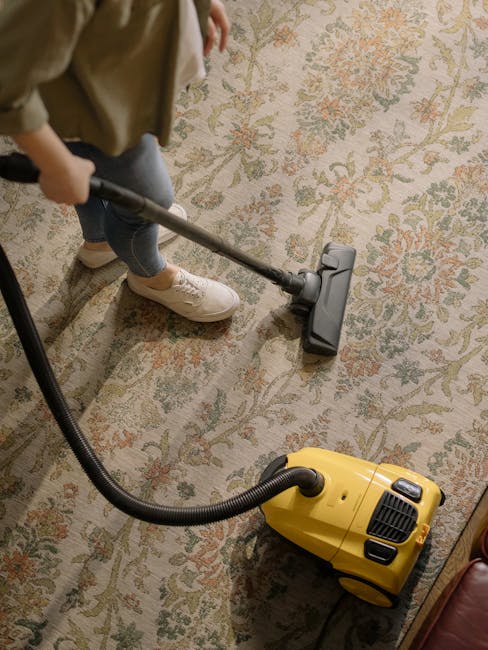
Common carpet cleaning mistakes Docklands homeowners make
If you live in Docklands, you already know carpets have to cope with a lot: muddy shoes on a wet weekday, the odd spill during a dinner in, pet hair, dust from busy roads, and the general stop-start rhythm of flat living. The trouble is, many homeowners make the same carpet cleaning mistakes Docklands properties are especially prone to, and those mistakes can leave fibres flattened, stains set deeper, or dampness hanging around longer than it should.
This guide walks through the biggest errors people make, why they matter in Docklands homes, and how to clean carpets in a way that is safer, more effective, and less stressful. Truth be told, most damage does not come from one huge disaster. It comes from a handful of small, repeated missteps.
- Why these mistakes matter in Docklands homes
- How carpet cleaning should work in practice
- Key benefits of avoiding common errors
- Who this guide is for
- Step-by-step guidance
- Expert tips for better results
- Common mistakes to avoid
- Tools, resources and recommendations
- Law, compliance, standards and best practice
- Options and method comparison
- Real-world example
- Practical checklist
- Frequently asked questions
Why Common carpet cleaning mistakes Docklands homeowners make Matters
Carpet cleaning seems simple on the surface. Spray, scrub, wait, done. But in reality, carpet fibres, backing, underlay, and even the room's ventilation all affect the outcome. In Docklands, that matters even more because many homes include compact layouts, high-traffic entry points, lifts and communal corridors, and a mix of modern apartments and older properties with different flooring conditions.
When cleaning goes wrong, the result is not just a cosmetic issue. Over-wetting can cause lingering damp smells. Harsh detergents can leave sticky residue that attracts more dirt. Over-scrubbing can damage pile direction. And if a stain is attacked the wrong way, it can spread and set, which is the sort of thing that makes you stand there staring at it thinking, well, that made things worse.
It also matters because a carpet often acts like a filter. Dust, pollen, grit, pet dander, and everyday debris settle into the fibres. If the cleaning method is poor, much of that soil is simply redistributed rather than removed. That can affect the look of the room, the feel underfoot, and sometimes the air quality too, especially in homes where windows are not opened as often in colder months.
In short: the mistake is not just cleaning badly. It is cleaning in a way that creates a second problem.
How Common carpet cleaning mistakes Docklands homeowners make Works
To avoid the common errors, it helps to understand how carpet cleaning actually works. At its simplest, you are trying to loosen soil from fibre, lift it out, and remove moisture quickly enough that the carpet dries before odours, marks, or mould risk appear.
The process usually has four parts:
- Dry soil removal - vacuuming or pre-cleaning to remove loose grit and debris.
- Stain and spot treatment - using the right product for the right type of mark.
- Agitation or extraction - helping the cleaner lift soil away from the fibre.
- Drying and finishing - removing as much moisture as possible and allowing airflow.
Where people slip up is usually in one of those stages. They skip the vacuum. They soak the stain. They use a random product from the cupboard because it smells strong. Or they do all of it, but in the wrong order.
One useful way to think about it is this: carpet cleaning is less about force and more about control. A careful pass with the right product will usually beat a frantic scrub every time. Every time.
Key Benefits and Practical Advantages
Avoiding the usual mistakes gives you more than a nicer-looking carpet. It tends to save time, reduce rework, and make the whole home feel fresher.
- Better stain removal: Correct methods lift marks without pushing them deeper into the pile.
- Longer carpet life: Less fibre damage means the carpet keeps its shape and texture for longer.
- Faster drying: Less excess water reduces the risk of musty smells and damp patches.
- Cleaner finish: Proper extraction prevents sticky residue that attracts new dirt.
- Less disruption: A well-planned clean is easier to manage in busy Docklands homes, especially flats where space is tight.
There is also a practical money angle, without getting dramatic about it. When carpets are damaged by overuse of the wrong products, you are often looking at repeat cleaning, spot repair, or early replacement. That is rarely a fun bill. A measured approach tends to be kinder to both the carpet and your weekend.
Expert summary: Most carpet problems in homes are not caused by dirt alone. They are caused by the wrong cleaning chemistry, too much moisture, or too much enthusiasm in one spot. Good cleaning is controlled cleaning.
Who This Is For and When It Makes Sense
This guide is for Docklands homeowners who want cleaner carpets without accidentally making things worse. That includes people in apartments, townhouses, rented homes, owner-occupied properties, and shared buildings where traffic from hallways and entrances tracks in grit faster than you would like.
It is especially useful if you are dealing with:
- food and drink spills
- pet accidents or lingering odours
- muddy shoe marks from wet weather
- high-traffic paths near entrances or living rooms
- carpets that look clean at first glance but still feel sticky or dull
- pre-move or end-of-tenancy cleaning jobs
- post-renovation dust and debris
It also makes sense if you are deciding between cleaning it yourself and bringing in help. Some jobs are straightforward. Others, especially stubborn stains or delicate fibres, are worth a more cautious approach. And if you are in a hurry, it can be tempting to rush. That is exactly when mistakes creep in.
To be fair, not every carpet needs a deep professional treatment every time. But every carpet does benefit from the right method.
Step-by-Step Guidance
If you want better results at home, follow a simple sequence rather than jumping straight to scrubbing. Think process, not panic.
1. Identify the carpet and the stain
Check the fibre if you can. Wool, synthetic blends, and delicate pile carpets all behave differently. Then look closely at the stain. Is it greasy, water-based, muddy, or an odour issue? A coffee mark is not the same as a pet stain, and it should not be treated as if it were.
2. Vacuum thoroughly first
This is boring, yes, but critical. Dry soil acts like sandpaper when you scrub it around. Remove as much loose debris as possible before any moisture touches the carpet.
3. Test products in a hidden area
Always test a cleaner on a small concealed patch. Even products marketed for carpet use can affect colour, pile texture, or backing in different ways. A ten-minute test can save a costly mistake.
4. Blot, do not rub
For fresh spills, use a clean white cloth and blot gently from the outside of the mark inward. Rubbing often spreads the stain and distorts the fibres. It also makes you feel like something should be happening faster. Usually, it is not.
5. Use the minimum effective moisture
Apply cleaner lightly. If you are using a machine, avoid flooding one area repeatedly. The aim is to lift soil, not saturate the carpet.
6. Extract or rinse properly
Any detergent left behind can attract more dirt. If you use a carpet cleaning machine or hire a service, make sure the rinse and extraction stage is done thoroughly.
7. Speed up drying
Open windows if weather allows, use fans, and avoid heavy foot traffic until the carpet is dry. In a compact Docklands flat, good airflow can make a noticeable difference.
8. Recheck once dry
Some marks only appear once the carpet dries. If that happens, treat the area carefully rather than repeating the same aggressive method. Patience usually wins here.
Expert Tips for Better Results
Here are the small habits that often separate a decent clean from a truly good one.
- Work from the edge inward: This helps keep stains from spreading.
- Use white cloths rather than coloured ones: You do not want fabric dye transferring during cleaning.
- Keep a simple stain kit ready: Microfibre cloths, a neutral carpet cleaner, and a spoon or blunt scraper for solids can help with quick response.
- Deal with accidents early: Fresh marks are almost always easier than old ones.
- Protect high-traffic spots: Entry mats and routine vacuuming reduce grit build-up dramatically.
- Be careful with steam: Heat can help, but too much heat or moisture on the wrong carpet type can cause problems.
One practical observation from real homes: the cleanest carpets are not necessarily the ones scrubbed hardest. They are the ones maintained consistently. Little and often beats heroic Saturday cleaning marathons, especially if the room is full of furniture and life is happening around you.
If you have pets, this becomes even more important. Pet-related dirt can sit deeper in the pile and carry odour if it is not treated properly. A targeted service such as pet stain and odour removal is often more effective than trying to mask the smell with fragrance.
Common Mistakes to Avoid
This is the heart of the matter. Most carpet cleaning mistakes Docklands homeowners make fall into a handful of predictable traps.
1. Using too much water
Over-wetting is probably the biggest one. More water does not mean more cleaning power. It means a longer drying time and a greater chance of wicking, where stains travel back to the surface as the carpet dries.
2. Scrubbing aggressively
Hard scrubbing can fray fibres and distort the pile. It can also spread a stain over a wider area. Gentle blotting and controlled agitation usually work better.
3. Choosing the wrong cleaner
Not every product is suitable for every carpet or stain. A strong degreaser may help one spot and damage another. Bleach-based products are especially risky unless specifically appropriate for the material, which is often not the case in a home setting.
4. Skipping vacuuming before wet cleaning
If you skip the dry soil removal step, you end up turning dust and grit into mud. That can drive dirt further down into the fibres.
5. Ignoring the label or fibre type
It sounds obvious, but plenty of people do it. Wool, synthetic, and mixed-fibre carpets behave differently. A method that works on one may be too harsh for another.
6. Leaving detergent residue behind
Sticky residue acts like a magnet for new dirt. The carpet may actually look worse a few days later, which is deeply annoying, especially after all that effort.
7. Failing to dry the carpet properly
Even a good clean can go sideways if drying is neglected. Lack of airflow, closed windows, and heavy furniture placed back too soon can all cause issues.
8. Using too much fragrance to cover odours
Smell is a clue, not the problem itself. Masking an odour does not remove the source. If there is pet contamination or moisture trapped in the underlay, the issue will return.
9. Cleaning only the visible stain
A mark can have a larger affected area than the visible centre. Treating just the dot in the middle often leaves a ring around it. Sneaky little thing, that ring.
10. Waiting too long to act
Fresh spills are more forgiving. Once a stain sets, the odds of complete removal drop. Prompt action matters, even if it is just a temporary blotting step before a full clean later.
Tools, Resources and Recommendations
You do not need a shed full of specialist kit to clean carpets properly, but a few sensible tools help a lot.
| Tool or resource | What it helps with | Why it matters |
|---|---|---|
| Vacuum with strong suction | Dry soil removal | Prevents grit from being worked deeper into fibres |
| White microfibre cloths | Blotting spills and stains | Reduce colour transfer and help you see soil lift |
| Neutral carpet cleaner | General spot treatment | Less likely to damage fibres than harsh all-purpose chemicals |
| Soft brush or carpet rake | Light agitation and pile lift | Helps clean deeper without aggressive scrubbing |
| Wet extraction machine or professional service | Deep cleaning and rinse-out | Useful where residue or deeper soiling is a problem |
If you are comparing services rather than doing it yourself, look at what is included, how drying is handled, and whether the provider explains fibre-safe methods clearly. A good provider should talk about stain type, carpet material, and aftercare rather than jumping straight to a one-size-fits-all promise.
For broader home maintenance, it can help to think in terms of the whole property. Services like deep cleaning, domestic cleaning, and one-off cleaning often make sense alongside carpet care when a home needs a more complete reset.
If your home includes other soft furnishings, matching your approach across the room can also help. For example, sofa cleaning, curtain cleaning, and rug cleaning can reduce the dust and residue that just keeps finding its way back onto the carpet.
Law, Compliance, Standards, or Best Practice
For homeowners, carpet cleaning is not usually a heavily regulated task in the way gas or electrical work would be. Even so, best practice still matters, especially where safety, product handling, and building rules are concerned.
In Docklands flats and managed buildings, you may need to think about communal access, noise, lift use, water disposal, and keeping corridors clear. If you live in a leasehold property, building rules may also affect when you can clean, how equipment is brought in, or how waste and water are handled. It is worth checking those practical details before starting a larger clean. Nobody enjoys getting halfway through and then realising the building management would rather not have a wet hallway, quite understandably.
Also, use cleaning products according to the manufacturer instructions and store them safely away from children and pets. If you are using stronger stain removers or machine solutions, ventilation matters. Open a window where possible and avoid mixing products, especially anything bleach-based with other chemicals.
Where insurance and safety are relevant, keep the paperwork sensible and simple. If you are hiring a service, ask whether they operate with clear health and safety policies and appropriate insurance. For your own peace of mind, that is not overkill. It is just good sense.
For service information, you can also review the company's health and safety policy and insurance and safety page if you want to understand how work is approached more carefully.
Options, Methods, or Comparison Table
Different cleaning methods suit different situations. There is no single magic option, annoying as that may be. The right choice depends on carpet type, stain severity, drying tolerance, and how much disruption you can handle.
| Method | Best for | Pros | Watch-outs |
|---|---|---|---|
| Vacuuming and spot treatment | Light maintenance | Quick, cheap, easy to repeat | Won't remove deep soil or embedded odours |
| DIY carpet cleaning machine | Moderate soiling | Can lift more dirt than spot cleaning alone | Risk of over-wetting and residue if used poorly |
| Steam or hot-water extraction | Deeper cleaning | Strong results when done correctly | Drying time and moisture control are critical |
| Professional stain treatment | Problem spots and delicate fibres | Better product choice and technique | Cost can vary, and results depend on stain age |
| Routine maintenance plan | Busy homes | Prevents build-up and reduces emergency cleaning | Requires consistency |
If you want to understand the wider service menu, pages such as carpet cleaning, steam carpet cleaning, and stain removal are useful starting points for comparing approaches.
Case Study or Real-World Example
A fairly typical Docklands scenario: a homeowner in a modern apartment notices a coffee spill near the living room sofa. They blot it quickly, which is good, but then they reach for a strong multipurpose spray, scrub hard with a brush, and add more water because the mark still shows. By the next morning, the original stain is lighter, but a ring has appeared and the area feels slightly crunchy. Not ideal.
What went wrong? A few things. The product was not matched to the stain, too much moisture was used, and the scrubbing pushed the liquid deeper into the pile. The better approach would have been to blot, test a carpet-safe cleaner in a hidden area, apply lightly, and extract or rinse with care. If the stain still lingered, the next sensible step would be a targeted treatment rather than another round of aggressive rubbing.
We see versions of this all the time. A quick fix becomes a bigger job because the cleaning method is too enthusiastic. The good news is that once people understand the pattern, they usually stop repeating it.
That is also why homes with ongoing traffic, pets, or rental turnover often benefit from pairing carpet care with end-of-tenancy cleaning, move-out cleaning, or move-in cleaning when the property is changing hands.
Practical Checklist
Use this checklist before, during, or after carpet cleaning. It keeps the process honest.
- Vacuum the area thoroughly before applying any moisture.
- Identify the fibre type if possible.
- Test cleaners on a hidden patch first.
- Match the cleaner to the stain type.
- Blot spills gently instead of rubbing.
- Use the smallest practical amount of liquid.
- Remove detergent residue with a proper rinse or extraction.
- Improve airflow to help drying.
- Keep people and pets off the carpet until it is fully dry.
- Check the area once dry for rings, residue, or lingering odour.
- Treat the root cause of repeat dirt, such as entry grit or pet accidents.
If you are dealing with a larger home refresh, it can also help to coordinate other chores in one go. For example, house cleaning or regular cleaning can support the kind of maintenance that keeps carpets from getting overwhelmed in the first place.
Practical takeaway: clean lightly, test first, dry thoroughly, and never assume more product means a better result.
If you would like a safer, more thorough clean without the guesswork, speak with a local team that can explain the method before starting. A clear quote and a sensible plan are usually good signs.
Get a free quote today and see how much you can save.
Conclusion
Most carpet cleaning mistakes Docklands homeowners make are avoidable once you know what to look for. Too much water, the wrong product, over-scrubbing, and poor drying are the big culprits. Avoid those, and you are already ahead of the game.
The real goal is not just a carpet that looks clean for an hour. It is a carpet that dries properly, feels fresh underfoot, and stays cleaner for longer. That takes a bit of patience, a bit of judgement, and a willingness to slow down when a stain makes you want to rush. Let's face it, carpets are part of daily life, not a museum exhibit. They need sensible care, not perfection.
If you remember only one thing, make it this: the best carpet cleaning is careful, not chaotic. And that is a pretty reassuring place to start.
Frequently Asked Questions
What are the most common carpet cleaning mistakes Docklands homeowners make?
The biggest mistakes are over-wetting, scrubbing too hard, using the wrong cleaner, skipping vacuuming first, and not drying the carpet properly. Those are the ones that most often lead to residue, damage, or stains reappearing.
Is steam cleaning safe for all carpets?
No. Steam or hot-water extraction can work very well on many carpets, but it is not ideal for every fibre type or every situation. Delicate or water-sensitive carpets may need a gentler approach.
Why does my carpet get dirty again so quickly after cleaning?
That often happens when detergent residue is left behind, or when grit was not removed before wet cleaning. It can also happen if traffic areas keep bringing in dirt from shoes or pets.
Should I scrub a carpet stain if blotting does not work?
Usually no. Scrubbing can spread the stain and rough up the fibres. If blotting does not shift it, use a carpet-safe spot treatment and work carefully, or consider a specialist stain removal service.
How long should a carpet take to dry after cleaning?
Drying time depends on the method used, room ventilation, carpet thickness, and moisture levels. In a well-ventilated space it may dry fairly quickly, but thicker carpets or heavy cleaning can take longer.
Can I use household detergent on my carpet?
Sometimes people do, but it is risky. Household detergents may leave residue or affect colour and texture. A cleaner made for carpets is usually the safer choice.
What should I do first if I spill something on the carpet?
Blot the spill gently with a clean cloth, working from the outside toward the centre. Avoid rubbing. Then identify the stain type before choosing a cleaning product.
How do I stop pet smells from coming back?
Pet smells often come from contamination in the fibres or underlay, not just the surface. Treating the source properly matters more than adding fragrance. A targeted pet stain and odour treatment is often the better option.
Is it worth hiring a professional for one stain?
If the stain is large, old, oily, or on a delicate carpet, yes, it can be worth it. Professionals also help when a DIY attempt has already made the patch larger or harder to treat.
Can carpet cleaning damage underlay or floors beneath?
Yes, if too much water is used or if drying is poor. Excess moisture can work through the carpet backing and affect the underlay, and in some homes even the floor beneath. That is one reason moisture control matters so much.
What is the best way to keep carpets cleaner for longer?
Vacuum regularly, use door mats, clean spills quickly, rotate furniture where practical, and avoid over-wetting during cleaning. Small habits make a big difference over time.
Do Docklands flats need a different carpet cleaning approach than houses?
Often, yes in practical terms. Flats can have tighter airflow, shared access areas, and more limitations on equipment or drying space. The cleaning principles stay the same, but the logistics matter more.
How do I know if I should stop DIY cleaning and call for help?
If the stain is spreading, the carpet is staying damp, the odour remains, or the fibre looks damaged, it is sensible to pause. At that point, a more experienced approach may save the carpet from further harm.
Are strong-smelling carpet products always better?
Not really. Strong scent can make a room feel fresher for a while, but it does not guarantee a better clean. In some cases it just covers a problem that still needs proper removal.