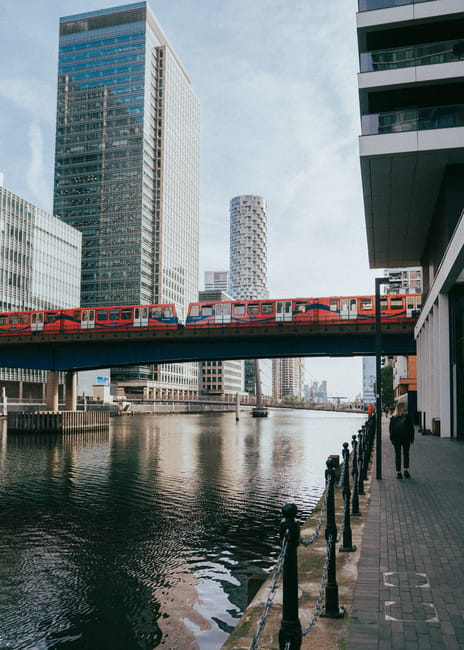
Carpet cleaning Canary Wharf E14 tips for offices
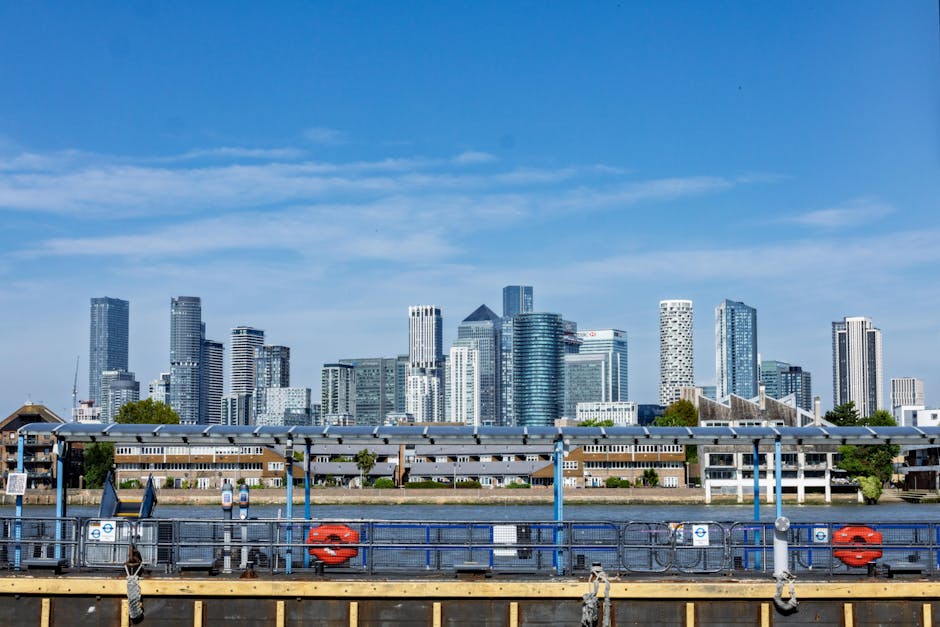
If you manage an office in Canary Wharf E14, carpet care can quietly make or break the feel of the whole workplace. A clean floor does more than look smart at reception. It affects first impressions, indoor comfort, odour control, and even how long your flooring lasts. This guide to Carpet cleaning Canary Wharf E14 tips for offices breaks down what works, what to avoid, and how to plan office carpet maintenance without turning the day upside down.
Truth be told, office carpets take a beating. Mornings are often wet shoes and coffee cups, afternoons are rolling chairs and foot traffic, and by Friday the high-traffic lanes can look far older than the rest of the room. The good news? With a sensible routine, the right cleaning method, and a bit of planning, you can keep carpets looking decent all year round.
Why Carpet cleaning Canary Wharf E14 tips for offices Matters
Office carpets are not just decoration. In busy Canary Wharf buildings, they sit under constant pressure from shoes, chairs, spillages, dust, and the odd stormy commute. That matters because carpets collect what is carried in from outside, and once soil settles into the fibres, it starts to dull the finish and hold onto odours.
For offices, the stakes are slightly different from homes. You are not only dealing with appearances, but also staff comfort, visitor perception, and business continuity. A reception area with visible marks can suggest carelessness, even if everything else is running smoothly. Meanwhile, a meeting room with a stale smell can be enough to distract clients. Small thing? Maybe. But these small things stack up.
There is also the practical side. Regular commercial carpet cleaning can help reduce premature wear, especially in walkways, entrances, and around desks. In a fast-moving E14 office, you may not notice the slow damage until the pile has already flattened and the colour has gone patchy. By then, cleaning is still worthwhile, but prevention would have been cheaper and easier. That is usually how it goes, to be fair.
If your office is part of a larger building, it is worth thinking about the wider cleaning picture too. A tidy workplace often depends on more than carpet care alone, which is why some businesses combine carpet maintenance with office cleaning or even commercial cleaning to keep the whole environment consistent.
How Carpet cleaning Canary Wharf E14 tips for offices Works
Office carpet cleaning usually follows a simple pattern: inspect, prepare, treat, clean, dry, and review. The details change depending on fibre type, soil level, and how quickly the area needs to return to use. A good cleaner should not just start spraying and hoping for the best. That is the quickest way to leave rings, soggy patches, or a lingering residue.
The most common professional approach is hot water extraction, sometimes called steam carpet cleaning, although it is not literally steam in the everyday sense. Hot water mixed with cleaning solution is applied to the carpet and then extracted with powerful equipment. The result is a deeper clean than standard vacuuming or surface treatment. For office settings, this method is often preferred when carpets have heavy traffic or embedded dirt. You can read more about that type of approach via steam carpet cleaning.
Other methods may be used for lighter maintenance, quicker drying, or delicate fibres. Low-moisture cleaning, spot treatment, and targeted stain removal each have a place. In a real office, the trick is matching method to need. A boardroom carpet with a few coffee marks does not need the same treatment as a corridor that sees hundreds of footsteps a day.
Preparation matters just as much as the machine. Chairs may need moving, floor outlets protected, and sensitive items cleared away. If you have ever watched a cleaner spend more time carefully moving furniture than actually cleaning, it can feel slow. But that careful step often prevents damaged legs, missed corners, and half-cleaned edges. A little patience pays off.
Key Benefits and Practical Advantages
Good office carpet cleaning offers more than a fresh look. Here are the benefits businesses usually notice first:
- Better first impressions: Cleaner carpets make reception areas, meeting rooms, and corridors look more professional.
- Improved hygiene: Dirt, crumbs, and everyday grime are removed before they build up.
- Longer carpet life: Regular maintenance reduces fibre wear and helps carpets last longer.
- Less odour: Carpets can trap smells from food, damp shoes, and general traffic.
- More comfortable workspace: A cleaner environment tends to feel calmer and more cared for.
- Easier ongoing upkeep: Once carpets are properly cleaned, routine vacuuming often works better.
There is also a softer benefit that people sometimes overlook: confidence. Staff usually notice when a workplace feels well maintained, even if they do not say it out loud. Clients notice too. A clean office can quietly support the kind of credibility that businesses spend money trying to build elsewhere.
If your office also has fabric seating, upholstered lobby chairs, or rugs in breakout areas, it can make sense to review related services like upholstery cleaning or rug cleaning so the whole space feels consistent rather than half-done.
Who This Is For and When It Makes Sense
This advice is useful for office managers, facilities teams, landlords, business owners, and anyone responsible for keeping shared workplace space presentable in Canary Wharf E14. It is especially relevant for:
- busy open-plan offices with constant footfall
- client-facing businesses with reception and meeting areas
- co-working spaces where multiple people use the same floor space
- professional services offices that need a polished image
- buildings with a mix of carpet, hard flooring, and fabric furnishings
It also makes sense if you are preparing for an inspection, handing a space back to a landlord, or simply trying to get ahead of a problem before it becomes obvious. The moment carpets start looking grey in the walkways or holding onto odours after lunch, you are already in the zone where planned cleaning will help more than a panic clean.
Some offices only need periodic deep cleaning. Others need a regular cleaning plan layered with spot removal as issues arise. If your building has communal entrances or shared corridors, it is worth considering communal area cleaning alongside the main office plan, because what happens in the lobby usually ends up on the carpet.
Step-by-Step Guidance
If you want a simple process that works in the real world, use this sequence.
- Assess the carpet type and traffic zones. Identify entrances, corridors, print rooms, kitchen areas, and meeting rooms. These are usually the first places to show wear.
- Vacuum properly. Before any deeper clean, remove loose dirt and grit. This is not busywork. Grit is abrasive and can grind into fibres.
- Spot-treat visible marks. Coffee, ink, food, and outdoor mud all need different handling. Do not assume one solution fits everything.
- Choose the right cleaning method. High-traffic offices often suit hot water extraction. Sensitive areas may need low-moisture treatment.
- Work around business hours. Plan cleaning for evenings, weekends, or quieter trading periods to reduce disruption.
- Allow enough drying time. Wet carpets in a live office are a slipping risk and a nuisance. Airflow matters.
- Check the results in natural light. Artificial lighting can hide patchiness. Walk the area and look from different angles.
One useful little habit: before the team arrives, ask staff to clear cables, boxes, and loose items from the floor. It sounds obvious, but offices are full of tiny trip hazards and hidden clutter. A five-minute reset saves a lot of faff later.
If there has been recent refurbishing or fit-out work, dust and adhesive residue can end up in carpets far more easily than people expect. In that case, pairing carpet work with after builders cleaning can be a practical move rather than treating the symptoms separately.
Expert Tips for Better Results
Here are the tips that genuinely help in office settings, not just the ones that sound neat in a brochure.
- Vacuum slowly in high-traffic lanes. Quick passes miss embedded grit. A slower pace gives better pickup.
- Blot, do not rub, fresh spills. Rubbing spreads the stain and can fray the pile.
- Use entrance mats well. Not glamorous, but effective. Good mats reduce the amount of dirt reaching the carpet in the first place.
- Rotate attention to problem areas. The corridor near the lift may need more frequent care than the quiet back office.
- Ask for fibre-safe products. Nylon, wool blends, and synthetic fibres all respond differently.
- Schedule spot cleaning before big meetings. You do not want to notice the stain the day the client arrives. That happens, annoyingly, more often than it should.
Another practical tip is to pair carpet care with the rest of the workplace. A carpet may look dull simply because the windows are grimy or the desk chairs are marked. That is why some businesses fold in window cleaning or broader deep cleaning when they want the entire office to feel refreshed, not just the floor.
And here is a small but important point: ask how drying is handled. Good airflow, managed moisture, and sensible extraction make a big difference. A carpet that feels almost dry in a couple of hours is much easier to live with than one that still feels clammy the next morning.
Common Mistakes to Avoid
Office carpet care often goes wrong in the same few ways. Once you know them, they are easier to avoid.
- Leaving cleaning too long: Waiting until carpets look visibly bad usually means more intensive work is needed.
- Over-wetting the carpet: Too much moisture can slow drying and create a musty smell.
- Using the wrong stain remover: Some products set stains or discolour fibres. Test first.
- Ignoring edges and corners: Dirt gathers where vacuum heads do not always reach.
- Cleaning without a traffic plan: If staff walk straight across a damp route, the result will be patchy and frustrating.
- Skipping maintenance after a deep clean: A one-off tidy-up does not replace a routine.
One of the biggest mistakes is assuming all dirt is visible. It is not. Fine dust, pollen, and oil from shoes can build up slowly and leave carpets looking tired long before anyone notices a dramatic stain. That slow fade is what catches people out.
If you have persistent spots or repeat spillages in a kitchen area or breakout zone, targeted stain removal may be needed rather than a general clean alone. That is especially true for coffee, tea, and food spills that keep returning because the source of the problem has not really changed.
Tools, Resources and Recommendations
You do not need a warehouse full of equipment to maintain office carpets well, but a few sensible tools make life easier.
- Commercial vacuum cleaner: Useful for daily or near-daily upkeep, especially in busy corridors.
- Microfibre cloths and absorbent towels: Helpful for immediate spill response.
- Entrance mats: A surprisingly strong defence against outdoor grime.
- Furniture sliders: Handy when chairs or small items need shifting without scuffing floors.
- Carpet-safe spot treatment: Keep a product that matches your fibre type and stain profile.
- Ventilation plan: Opening airflow routes and using the building's ventilation well can speed drying.
For service planning, it often helps to compare carpet care with the rest of your building routine. If the office includes hard flooring in kitchens, reception edges, or circulation routes, you may want to combine carpet care with hard floor cleaning so the whole area is treated consistently. Likewise, if seating or lounge areas are a focal point, sofa cleaning can stop a clean carpet from being visually let down by tired furniture.
When you are comparing providers, look beyond the headline price. Ask about drying times, insurance, access arrangements, and what happens if a stain does not fully lift on the first pass. The answers usually tell you more than a polished sales pitch ever will.
Law, Compliance, Standards, or Best Practice
Office carpet cleaning is not usually a highly regulated activity in itself, but it sits inside wider workplace responsibilities. In practice, that means paying attention to health and safety, access control, slip risk, and the condition of the working environment.
For example, if a carpet is left damp in a busy area, that becomes a practical safety issue. If cleaning chemicals are being used in a shared workplace, they need to be handled properly and stored responsibly. And if cleaners are working out of hours in a Canary Wharf building, site rules, building management arrangements, and contractor checks all matter.
This is where best practice helps more than vague promises. A reliable provider should be able to explain their approach to risk, access, and insurance in plain English. If you want to understand that side better, review the company's health and safety policy and insurance and safety information. For procurement, it is also sensible to review terms and conditions and how payment is handled through payment and security.
There is also a reputational and ethical side to supplier choice. Many offices now prefer to work with companies that are clear about sustainability and responsible business practices. If that matters to your organisation, it is worth checking recycling and sustainability and the about us page before you book. Small detail, maybe, but it tells you something about how the business works.
Options, Methods, or Comparison Table
Different office carpet situations call for different methods. Here is a simple comparison to help you decide.
| Method | Best for | Drying time | Strengths | Watch-outs |
|---|---|---|---|---|
| Vacuum maintenance | Daily upkeep, light dust, loose debris | None | Fast, essential, low disruption | Does not remove deep soil or stains |
| Spot treatment | Fresh spills and isolated marks | Short | Targets problems quickly | Needs the right product and careful use |
| Hot water extraction | High-traffic offices and deeper cleaning | Moderate | Strong deep-clean results | Requires planning for drying and access |
| Low-moisture cleaning | Quicker turnaround or more delicate situations | Short to moderate | Less downtime, practical for busy offices | May not suit every stain or soil level |
There is no single winner. A busy office may use vacuuming every day, spot treatment as needed, and hot water extraction a few times a year. That layered approach usually gives the best balance between appearance and downtime. Simple, really. Well, simple in theory.
Case Study or Real-World Example
A typical Canary Wharf office scenario goes like this: a mid-size team occupies one floor, with a reception area, two meeting rooms, a kitchen, and a corridor running past the lift. The carpet looks fine from a distance, but closer in, the traffic lane beside the lift is dull, there is a coffee mark near the meeting room door, and the kitchen area smells a little stale by late afternoon.
The office manager does three things. First, they clear the floor and ask staff to shift chairs off the main routes. Second, they book a clean for the end of the week so the carpet has time to dry before Monday. Third, they ask for targeted stain work in the corridor and meeting room rather than a general spray-over. Nothing dramatic. Just sensible planning.
After the clean, the carpet does not look brand new, because real carpets rarely do once they have had a year or two of traffic. But the walkways look lighter, the room smells fresher, and the office feels better the next morning. That is the win, honestly. Not perfection. Just a proper reset that helps the space feel cared for again.
In some workplaces, especially those with guest seating or soft furnishing, it can make sense to build the job out a little further with office cleaning and one-off cleaning so the clean aligns with a wider refresh. The point is not to overdo it. The point is to make the result last.
Practical Checklist
Use this checklist before, during, or after office carpet cleaning.
- Identify the high-traffic areas that need the most attention.
- Remove loose items, cables, and small furniture where possible.
- Vacuum thoroughly before any deeper cleaning.
- Mark any stains, odours, or problem spots in advance.
- Confirm the cleaning method suits the carpet fibre.
- Plan access, keys, alarm arrangements, and building permissions.
- Choose a time that avoids peak footfall.
- Make sure ventilation is available for drying.
- Keep staff off damp areas until fully dry.
- Check the finish in daylight or strong natural light where possible.
- Set a maintenance schedule for vacuuming and future cleans.
Expert summary: The best office carpet cleaning results come from planning, not urgency. Prepare the space, use the right method for the right area, and protect the finish with regular maintenance. That is the bit people remember only after trying the opposite.
And if you are comparing providers, it is sensible to ask about booking, policies, and aftercare before you commit. Clear communication is often a sign that the service itself will be just as organised.
Conclusion
Office carpets in Canary Wharf E14 work hard. They carry the look of the business almost as much as they carry footsteps, and that is why practical, well-timed cleaning matters. The right approach is usually a mix of daily vacuuming, fast stain response, and periodic deep cleaning based on traffic and usage.
If you take one thing from this guide, let it be this: do not wait until the carpet looks tired enough to embarrass you. Plan ahead, match the method to the space, and keep maintenance routine rather than reactive. That small shift can save time, reduce disruption, and make the whole office feel more settled.
Get a free quote today and see how much you can save.
If you want to explore the service side further, you can review the dedicated commercial carpet cleaning page or get in touch through the site when you are ready. A good office cleaning plan should feel calm, not complicated.
Sometimes the difference between a tired office and a welcoming one is just a cleaner floor and a bit of timely care. Nice when that happens.
Frequently Asked Questions
How often should office carpets in Canary Wharf E14 be cleaned?
It depends on footfall, carpet type, and how client-facing the office is. Many offices do well with regular vacuuming and periodic deep cleaning, with busier areas needing attention more often.
What is the best cleaning method for office carpets?
Hot water extraction is often the go-to for deep cleaning in commercial settings, but low-moisture methods can be better when downtime needs to stay short. The right choice depends on the carpet and the schedule.
Can office carpet cleaning be done outside working hours?
Yes, and in many offices it should be. Evening or weekend scheduling helps avoid disruption and gives carpets more time to dry before staff return.
How long do office carpets take to dry after cleaning?
Drying time varies with the method used, ventilation, humidity, and how much soil was removed. Good airflow makes a noticeable difference, and heavier cleaning usually needs more time.
Will carpet cleaning remove all stains?
Not always. Some stains respond well, especially when treated early, while others may be permanent or only partially lift. Fresh spills are much easier to deal with than old, set-in marks.
Is steam carpet cleaning safe for office carpets?
It can be, if the carpet fibre and cleaning process suit it. The key is proper moisture control and the right technique, not simply using more heat or more water.
Do I need to move furniture before office carpet cleaning?
Small items, chairs, and loose clutter usually need to be moved or cleared. Larger furniture may be worked around, but access should be agreed in advance so corners and edges are not missed.
What should I look for in a commercial carpet cleaner?
Look for clear methods, sensible drying advice, insurance, good communication, and experience with office environments. If they can explain their process plainly, that is a good sign.
Can carpet cleaning help reduce odours in an office?
Yes, especially if odours are coming from tracked-in dirt, spills, or food areas. If a smell keeps returning, the source may need targeted treatment rather than a general clean alone.
Should office carpet cleaning be combined with other services?
Often, yes. Depending on the space, it may make sense to combine carpet care with office cleaning, upholstery cleaning, or hard floor cleaning so the whole workplace feels consistent.
Is there a best time of year for office carpet cleaning?
Many businesses choose quieter periods, end-of-quarter windows, or times before major client activity. Damp weather can slow drying a bit, so planning around ventilation and access is sensible.
How can I keep carpets cleaner between professional visits?
Use good entrance mats, vacuum regularly, treat spills quickly, and watch the heavy-traffic lanes. Small habits make a surprisingly big difference over time.
Where can I find more information about the company and service terms?
You can review the about us, terms and conditions, and complaints procedure pages for more detail on how the service is presented and handled.